Kratom: An Emerging Toxicologic Concern in the ED
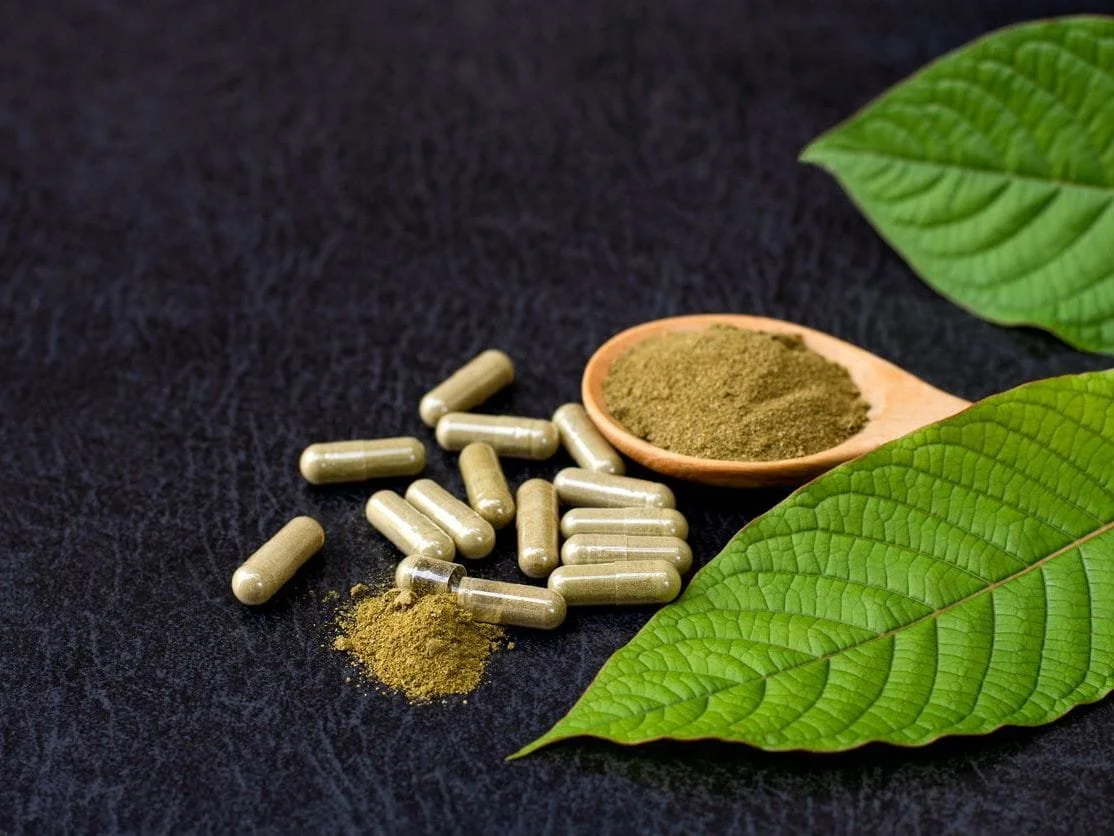
Source: https://www.poison.org/articles/kratom
Kratom
Herbal product
Derived from Mitragyna speciosa tree of Southeast Asia
Contains 40 bioactive alkaloids
Growing use in the United States with increasing presentations to emergency departments (ED) for toxicity and withdrawal.
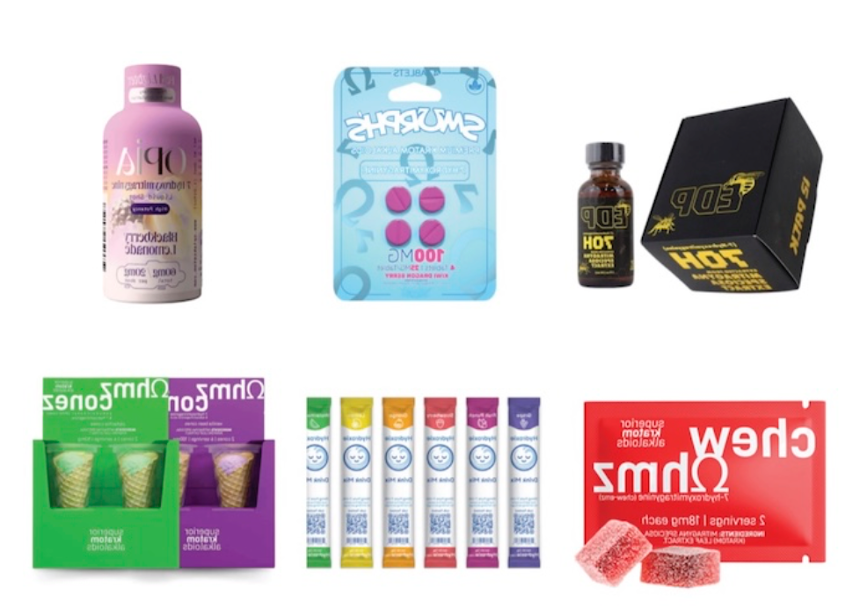
Source: https://www.vcuhealth.org/news/is-kratom-safe-rising-health-concerns-explained/
History and Epidemiology
Used in SE Asia for over a century (2)
Leaves were chewed or brewed into tea
Therapeutic uses
Analgesic
Antidiarrheal
Antispasmodic
Antipyretic
Functional uses
Stimulant to increase endurance and productivity among manual laborers
Popularity in US has increased
Legal at Federal level; regulated in 24 states and DC
Variability in potency, preparation and alkaloid content (3)
Marketed online and in gas stations and head shops
“natural remedy” for pain, anxiety, fatigue and opioid withdrawal
Appeal is particularly strong among patients with opioid use disorder who seek alternatives to methadone or buprenorphine (1)
Historical accounts describe its use for withdrawal management in Thailand and Malaysia dating back to the 1800s (2)
Ohio-Specific Laws & Regulations
Currently legal in Ohio but can only be sold in natural, dried leaf or powdered form
August 2025, Governor DeWine called to classify all forms as scheduled I controlled substances
Proposed bans/regulation are introduced in the House and Senate
FDA is recommending 7-hydroxymitragynine (7-OH) as Schedule I
Regulation vs legalization
Risks and benefits to both
Pharmacology & Mechanism of Action
40 Bioactive alkaloids - 4 primary agents identified (5)
Mitragynine
Most abundant
Active at mu, delta and kappa opioid receptors
Interacts with adrenergic and serotonergic systems
7-hydroxymitragynine
Metabolite of mitragynine (hepatic)
Significantly more potent
13x higher affinity for opioid receptors compared to morphine (7)
46x more potent than mitragynine (7)
Dual actions à dual effects
CNS stimulant effects at low doses & opioid-like sedative effects at higher doses
Clinical Presentations in the ED
Acute toxicity
Common effects
Agitation, tachycardia, drowsiness, vomiting, confusion
Severe effects
Seizures, hallucinations, respiratory depression, coma, cardiac and respiratory arrest
Withdrawal
Similar to opioid withdrawal and is treated the same;
Symptoms
Piloerection, rhinorrhea, abdominal cramping, diarrhea, lacrimation, mydriasis, insomnia, irritability (1)
Onset
12-24 hours after last use (2)
Duration
3-7 days, severity correlating to chronicity and dose (2)
Management in the ED
Acute toxicity
ABCs remain the cornerstone
Naloxone (3,4)
Withdrawal
Buprenorphine and methadone
Dosing the same as with OUD
Symptomatic therapy
Clonidine for autonomic hyperactivity
Dicyclomine for abdominal pain
Ondansetron for nausea and vomiting
Take Home Points
Kratom is an unregulated herbal product increasingly seen in US emergency departments
Contains multiple alkaloids with mixed opioid, adrenergic and serotonergic activity
Clinical effects are dose-dependent
Stimulant at lower doses and opioid-like sedation
Presentations include nausea, tachycardia and agitation but severe toxicity is possible
Naloxone may be effective in reversing kratom-induced respiratory depression
Withdrawal resembles opioid withdrawal and should be managed in similar fashion
AUTHORED BY: ABBY WISSMAN, DO, PGY3
FACULTY EDITING BY: LAUREN PORTER, DO
References
Eggleston W, Stoppacher R, Suen K, Marraffa JM, Nelson LS. Kratom use and toxicities in the United States. Pharmacotherapy. 39.7 (2019): 775-777.
Kerrigan, Sarah, and Stephanie Basiliere. "Kratom: A systematic review of toxicological issues." Wiley Interdisciplinary Reviews: Forensic Science 4.1 (2022): e1420.
Overbeek DL, Abraham J, Munzer BW. Kratom (Mitragynine) Ingestion Requiring Naloxone Reversal. Clin Pract Cases Emerg Med. 2019 Jan 4;3(1):24-26.
Ahmed S, Tran QV, McLean M. The Great Imitator: A Case of Accidental Kratom Overdose. Cureus. 2023 Aug 8;15(8):e43144.
Henningfield JE, Chawarski MC, Garcia-Romeu A, Grundmann O, et al. Kratom withdrawal: Discussions and conclusions of a scientific expert forum. Drug Alcohol Depend Rep. 2023 Mar 15;7:100142.
Arhin M, Mobley J, Hamad H, Remick P. Successful Management of Kratom Use Disorder With Buprenorphine and Naloxone. Cureus. 2023 Jun 29;15(6):e41146.
Sokup B, Pippin MM. Kratom. [Updated 2023 Aug 28]. In: StatPearls [Internet]. Treasure Island (FL): StatPearls Publishing; 2025 Jan-. Available from: https://www.ncbi.nlm.nih.gov/books/NBK585120/
https://www.poison.org/articles/kratom
https://www.vcuhealth.org/news/is-kratom-safe-rising-health-concerns-explained/